The Anti grid

Tag: electric-bill

  • Rate hikes strike again!

    Rate hikes strike again!

    I wrote in a previous blog post that electricity rates were going to increase. They have definitely increased and according to a recent news story, they will increase again

    What happens now?

    Your bill will be higher for the same usage. if you normally use 250 KWh per month and your bill is say 75.00 expect your bill to be 130.00-160.00 for the same 250KWh. These are not real numbers it’s just an example. The point is you are going to see a noticeable increase in your electric bill.

    How can you fight back?

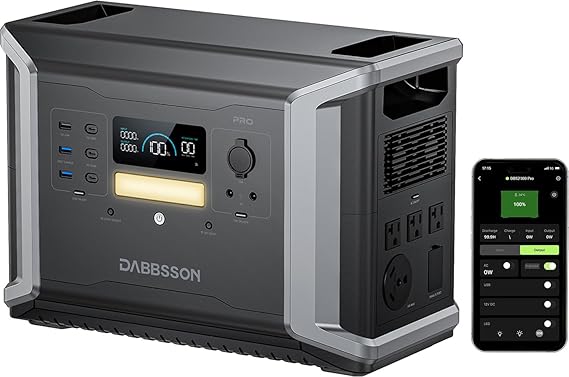
    Solar powered generators are a good option to fight the rising cost of utility bills. I’ve mentioned this before in previous posts about saving on your electric bill, but you can plug all of your electronic devices in to solar powered generators and power banks. These do not have the ongoing cost of fuel as they can be charged for free in the sun and alternatively they can be charged in your car. They can also be wall charged but that just adds to your electric bill, instead try using one generator to charge another.

    Can I eliminate my electric bill entirely?

    In theory the answer is yes. If your electricity gets disconnected you can still produce and use your own electricity for free with solar powered generators and power banks. The electric company can not charge you for off grid power consumption. They can not charge you for anything during the time your power is disconnected. In theory, yes you can eliminate your electric bill entirely with some simple changes.

    How can I eliminate my electric bill entirely?

    If you have already purchased solar powered generators/portable power banks, you can turn off all the breakers in your house which effectively stops electricity from being delivered to your home room by room. Plug lamps, TVs, Internet modems and if you have them cable boxes into your generators. If your generator is powerful enough you can plug your refrigerator into a generator.

    You will need powerful solar powered generators to run your Refrigerator, washer and dryer and your stove. A less powerful generator can run your microwave. You can avoid using your stove by purchasing an electric cook top and plugging it into a solar powered generator.

    How long do these generators last?

    Most generators will last a few hours before needing recharged. The higher the draw on the generator is the more frequently it will need to be charged.

    If the draw on the generator is too high they will shut off. This prevents power surges that can damage your generators and shorten their life span.

    The life of a generator depends on the quality of the generator, and frequency of use. I only recommend the ones that last for several years even with every day use.

    How often do you want to pay?

    Would you rather pay the increasing monthly electric bills or would you rather purchase new generators every 10-15 years and some smaller ones every 5 years?

    A 250.00 solar powered generator will pay for itself in just a few months. A 1,000.00 generator will pay for itself in 1-2 years and last up to 15 years even with daily use and depending on the wattage could last 6-8 hours depending on the draw on the generator.

    Personal experience

    I have 2 smaller generators currently and a rechargeable LED lantern. I have had the generators for nearly 2 years and they are still going strong. I bought my rechargeable LED lantern in December of 2024 and as of today 7/23/2025 it’s still going strong and still super bright.

    A few notes on the Rechargeable LED Lantern

    I noticed it does drain fairly quickly. As the battery discharges it gets dimmer and dimmer until recharged. It can be charged while being used but if it is less than 75% charged it will continue to discharge at a slightly reduced rate. If it is 75% charged it will continue to charge and may still discharge some but at a bit of a slower rate. I tested this just last night so I am speaking from experience on that one. Keep in mind that not all LED lanterns can be used while charging.

    Rechargeable flashlights are a great option too, they can provide plenty of light in one room and being rechargeable means no need to buy expensive batteries, no need to flip that switch on the wall which won’t work if the breakers are turned off! You won’t need to use the light function on your generators which will drain it faster if it’s already powering appliances or devices.

    The conclusion

    If you have enough generators with enough power you can completely eliminate your electric bill by turning off all breakers and plugging all of your appliances and devices into your generators. There’s no real reason to continue throwing away more and more money month after month when you can cut your bill out entirely and keep that cash in your pocket where it belongs. That means more money for other things.

    Share your thoughts and experiences in the comments below.
  • The Rising Cost of Electricity: How to Lower Your Bill and Take Back Control

    The Rising Cost of Electricity: How to Lower Your Bill and Take Back Control

    It’s no secret that the cost of electricity has steadily increased over the years. In 1965, the average cost per kilowatt-hour was just 2.5 cents, and the typical monthly electric bill hovered around $25-$30.

    Today, we’re paying 7-18 cents per kilowatt-hour, with monthly bills commonly reaching $120 to $160 or more. That’s over three times the cost from just a few decades ago.

    Meanwhile, electric companies continue to report record profits. Is that fair to consumers who have no say in the rates we’re forced to pay?

    The Hidden Cost of Vampire Appliances

    “Vampire appliances” are devices that quietly suck energy even when turned off. These include:

    • Microwaves with digital clocks
    • Coffee makers with always-on displays
    • TVs that stay in standby mode
    • Game consoles and smart home devices

    the below solar powered generator can power these devices.

    These hidden drains on your power can add up quickly. A good first step is unplugging them when not in use or using smart plugs and power strips to control their power flow.

    Flip the Breakers, Slash the Bill

    Here’s a bold, often overlooked strategy: turn off circuit breakers to unused rooms or areas when you’re not home. This can help eliminate standby power usage entirely.

    The less power you let flow unnecessarily, the more money stays in your wallet.

    Solar Generators: A smarter investment

    If you’re tired of monthly bills climbing higher, solar-powered generators and power banks offer a powerful alternative.

    • Average yearly electric bill: $140/month x 12=1,680
    • mid-range solar generator set up: $1,200-$1,600
    • payback period 12-18 months.
    • Higher-end systems pay for themselves in 3-4 years

    Plus, they add energy security during blackouts and outages-something utility companies can’t guarantee.

    Take Back Your Power

    The choice is clear: Keep paying increasing rates, or make a one time investment in energy independence.

    Why pay $120+ every month when you can pay $15-$20/month or less using smart strategies and solar solutions?

    Make the Switch Today

    don’t let the utility companies bleed you dry. It’s time to fight back.

    Start by identifying vampire appliances, flipping your breakers, and investing in a solar generator or power bank that fits your budget.

    Take control of your energy. Take control of your money.

    Follow my blog for:

    • energy saving tips to lower your electric bill
    • Reviews of affordable solar power solutions
    • Recommended solar solutions as I try them myself
    • Alternative lighting solutions

    this post contains affiliate links. If you buy through these links, I may make a small commission at no extra cost to you.

  • affordable alternatives choosing the one that’s right for you

          In this post I will teach you about portable power banks (also known as portable power stations) and choosing the one that will best suit your needs.

    Light usage

      Some people may only want one for light usage, maybe to power a cell phone or a lamp for a couple of hours per day just to see if it makes a difference in their bill. Maybe you want to power devices during a power outage. Light users will be fine with a portable power station with an output of 600 watts. If you want to power more devices in different rooms, you will need one for each room you wish to power devices in unless you want to move a single portable power station from room to room. 120 watt portable power bank will power your cell phone for a couple of days before needing recharged. These portable power banks and power stations can be recharged in your car with a car charger or via solar panel in the sunlight. They can also be wall charged but that puts money into the electric company’s pocket.

    Moderate usage

    Moderate users can get away with a 768 watt hour or 800 watt output power station can power your phone, laptop, a small lamp and your TV for about 3-4 hours before it needs to be recharged. They can usually be recharged in a couple of hours either in your car with a car charger or in the sunlight with a solar panel. You can also recharge by wall charger but again this charging option will put money in the electric company’s pocket. If you do not want to wait while the power station recharges then you will need at least two so you have a source of power while the other one is being charged.

    Mildly heavy usage

    mildly heavy users will want something with 1,070 watt hours, 1500 watt output. You can safely run a microwave on this. When you’re not powering your microwave you can power your vacuum cleaner long enough to get the job done. If you’re not vacuuming, you can power your TV, internet modem, a lamp, and your cell phone for a few hours. They are rechargeable by car charger in your car, solar panel, or wall charging. Wall charging always puts money back in the electric company’s pocket. I recommend getting at least two of them so you can have a back up while one is charging.

    Heavy usage

    Heavy users will want 2,048 watt hours or 2400 watt output. This one can power your microwave or vacuum cleaner a few times, it will power your TV, internet modem, a lamp, your laptop, and your cell phone, tablet, and gaming console for up to 5.5 hours before needing charged. The more devices you power at once is the faster you will need to recharge. You can recharge by car charger or solar panel in the sun and as always wall charging is an option but it puts money back into the electric company’s pocket.

    Extra heavy usage

    Extra heavy users want 3600 watt hours 3600 watt output. This can power a washer or dryer but running both simultaneously is not recommended unless you purchase the expandable battery and the double voltage hub each of which are sold separately. This can also run your full refrigerator for approximately 24 hours unexpanded and with out the double voltage hub. I strongly recommend purchasing two of these so you still have power when the other one needs to be recharged.

    Super heavy usage

    Super heavy users will want 4,096 watt hours 4,000 watt output. This can power all of your devices or be used as backup power for the whole home. You can also expand the battery and get the double voltage hub. Once again the expansion battery and double voltage hub are sold separately. This should meet even the highest demand. Charging options include car charging, solar panel in the sunlight, and wall charging but again if you choose to wall charge it puts money back into the electric company’s pocket. 

    Full time users

    Full time users will want something with 3,840 watthour 6000 watt output. This can power your whole home or individual rooms. The more individual rooms you power is the more of these you will need but the lower the draw on each generator or power station as they are often referred to is the longer they can go without needing to be recharged. This generator is expandable to 12000 watts. Now that’s a lot of power! They are portable and can be moved from room to room as needed.

    They can power your washer and dryer simultaneously without over loading the generator. You can no doubt power your TV, internet modem, lamps, cell phones, tablets, and gaming consoles for quite a while before needing to be recharged. You can charge by car charger in your car, solar panel (1200 watt) or wall charge it. Keep in mind that wall charging will always put money back in the electric company’s pocket.

    The last two above mentioned options can take you at least 90 to 99% off grid power and you will have almost no electric bill at all. If you want to go 100% off grid power you will need to trip all your breakers or remove all fuses. The easiest option is to just call the utility company and request to have the service shut off. The last two mentioned options can power either your full size stove even if it’s a gas stove. All stoves require at least some electricity as even gas stoves often have a digital display and electric start to get it to ignite.

    Stay tuned for my next post on the rising cost of utility bills

    Follow my blog to get notified of my next post on the rising cost of utility bills. Leave a comment and tell me what your utility bills used to be and what they are now.