The Anti grid

Tag: technology

  • The Top 5 Light Sources to Keep in Your Home During a Power Outage (That Actually Work)

    August 6th 2024 there was a tornado outbreak in Cleveland Ohio. The one that affected a good friend of mine was an EF1. It took out power. My friend was without power for 5 days. All of his food spoiled. He was completely unprepared with the exception of 1 battery powered lantern that allowed him to charge his phone and see where he was going.

    Here are the products he wished he had:

    With these products he would have been almost been unaffected. The only effect would have been getting these items out and plugging things in.

    Why I recommend these products:

    I recommend the solar powered lantern because they are designed to light rooms in power outages, you won’t need to buy expensive batteries, and brightness is often adjustable.

    I recommend the E-SHIDAI solar flashlight for it’s brightness and versatility, 2 charging options, light weight design, phone charging ability, and charging indicator.

    I recommend the EF ECOFLOW Solar Generator DELTA2 with 220W Solar Panel, LFP(LiFePO4) Battery for it’s fast charge time, it boasts an 1800 watt AC output which is enough to power a refrigerator (no more spoiled food!), 15 outlets!

    I recommend the Anker SOLIX C1000 Portable Power Station for it’s super fast charge time, it will fully charge in just 58 minutes with wall charging. with a 600 watt solar panel it will charge in 1.8 hours. It boasts an 1800 watt output, 11 versatile ports can power 99% of appliances or devices. This one can power your TV, a household lamp, your internet modem, charge your phone, laptop, tablet and iPad.

    I recommend the Jackery Explorer 1000 v2 Portable Power Station,1070Wh LiFePO4 Battery for it’s compact design, 1500 watt output, It boasts that it can power an AC unit keeping you cool and comfortable, strong enough to power a household vacuum allowing you to keep allergens and sneezing away. it’s light weight at just 23.8lbs making it portable, it can be moved from room to room as needed.

    Final thoughts

    The power grid is notoriously unreliable make sure you’re not caught off guard.

    It only takes one long night in the dark to realize how important light is for safety and comfort. The above options are are affordable, reliable, and easy to store-so you’re ready when the lights go out.

    Pro tip: stock extras and rotate rechargeable ones to make sure they’re always ready.

    .

    This post contains affiliate links. If you click and make a purchase, I may earn a small commission at no extra cost to you. Thank you for supporting my work!

  • Alternative Light sources

    Alternative Light sources

    Bright Ideas Beyond the Grid

    Every time you flip that light switch, The electric company makes money. In a previous post, I talked about The Rising Cost of Electricity: How to Lower Your Bill and Take Back Control – and that trend doesn’t seem likely to change any time soon.

    You CAN take control of your lighting costs. Whether you want to power your lamps using a generator or explore off-grid solutions, there are plenty of alternative light sources that don’t depend on traditional electricity.

    Why Consider Alternative Light sources?

    Plugging your regular household lamps into a generator works great – until you need that outlet for something else. That’s when having a backup or off-grid light source becomes essential.

    Popular off-grid lighting options

    There are a variety of lighting options that don’t rely on wall power:

    • Solar powered lamps and lanterns
    • Battery-powered lamps and lanterns
    • puck lights
    • Light bars
    • solar and rechargeable flash lights
    • Rechargeable lanterns

    Each has it’s strengths, depending on your needs.

    Understanding Lumens:

    How bright is bright enough?

    One key factor to consider is lumens, which measure light output (or brightness). The brighter the light you need, the higher the lumens you’ll want. Whether you’re lighting a whole room or just trying to avoid stepping on toys or your home becoming an obstacle course in the dark, lumens matter.

    Light source pros and cons:

    Household lamps + generators

    great when you have a generator with enough outlets to spare – but not ideal when generator supplied outlets are in short supply.

    Puck lights

    These small, battery-operated lights can stick to the wall without damage. While usually dim, they’re perfect for lighting small areas -like hallways or kids’ rooms -to prevent stubbing toes or stepping on Legos.

    Battery-powered Lanterns

    Bright and effective, depending on the model and it’s lumen output. However, they require C or D batteries, which add to long term costs.

    Solar-powered Lanterns

    2,000 lumen solar rechargeable lantern

    Eco-friendly and cost-effective in the long run, these don’t require batteries. A great option for anyone wanting to avoid frequent battery purchases.

    Rechargeable Lanterns

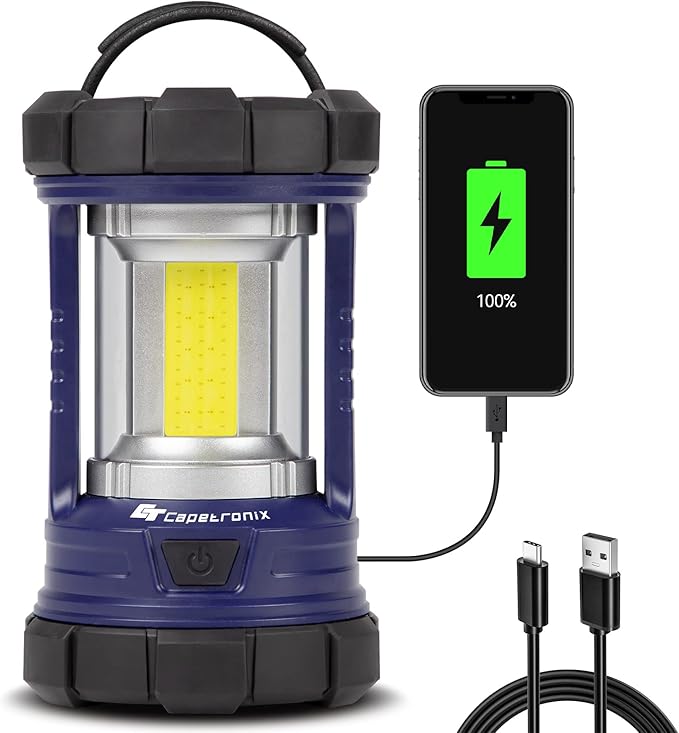
    3,200 lumen usb rechargeable lantern

    These are versatile and usually powered via USB. They can be charged using a power bank, small generator, or even in your car-just like a phone. This set up avoids relying on the electric grid and saves you money over time.

    Flashlights That Do More

    Solar-powered flashlights with varying lumen levels are perfect for:

    • Finding lost items under the couch
    • Staying visible when walking your dog at night
    • Lighting your path when crossing a dark room

    Many of these flashlights can also double as lanterns, making them especially handy in emergencies or power outages.

    Final thoughts

    Investing in alternative light sources gives you flexibility, saves money, and adds peace of mind. Whether you’re prepping for emergencies, going off-grid, or just trying to lower your electric bill, there’s a light solution that fits your needs.

    Dare to ditch the switch

    Tired of paying the electric company every time you flip a switch? Dare to try something new. Test out a solar lantern. Swap a puck light into your hallway. Power a flashlight with the sun. Take one small step toward energy independence- and prove that you don’t have to rely on grid power to keep your life lit.

    Try it this week. Light one room, one walk, or one evening without using traditional power. Then tell me how it went. Let’s challenge ourselves -and each other -to make smarter, more sustainable lighting choices.

    I slashed my electric bill by 75.00 a month just by using solar powered lanterns for lighting, turning off breakers to unused rooms, unplugging vampire appliances and powering TVs and other small electronics with solar powered generators for just a few hours per day.

    The future is bright. Make sure it’s yours.

    this post contains affiliate links. If you buy through these links, I may make a small commission at no extra cost to you.

  • Are Generac Generators Really Worth It?

    Are Generac Generators Really Worth It?

    A cost-conscious perspective

    As someone without personal experience using Generac generators, I wanted to understand whether they are truly a cost- effective alternative to grid power. After doing some research and checking out available models, I found some key considerations worth sharing.

    What Are Generac Generators?

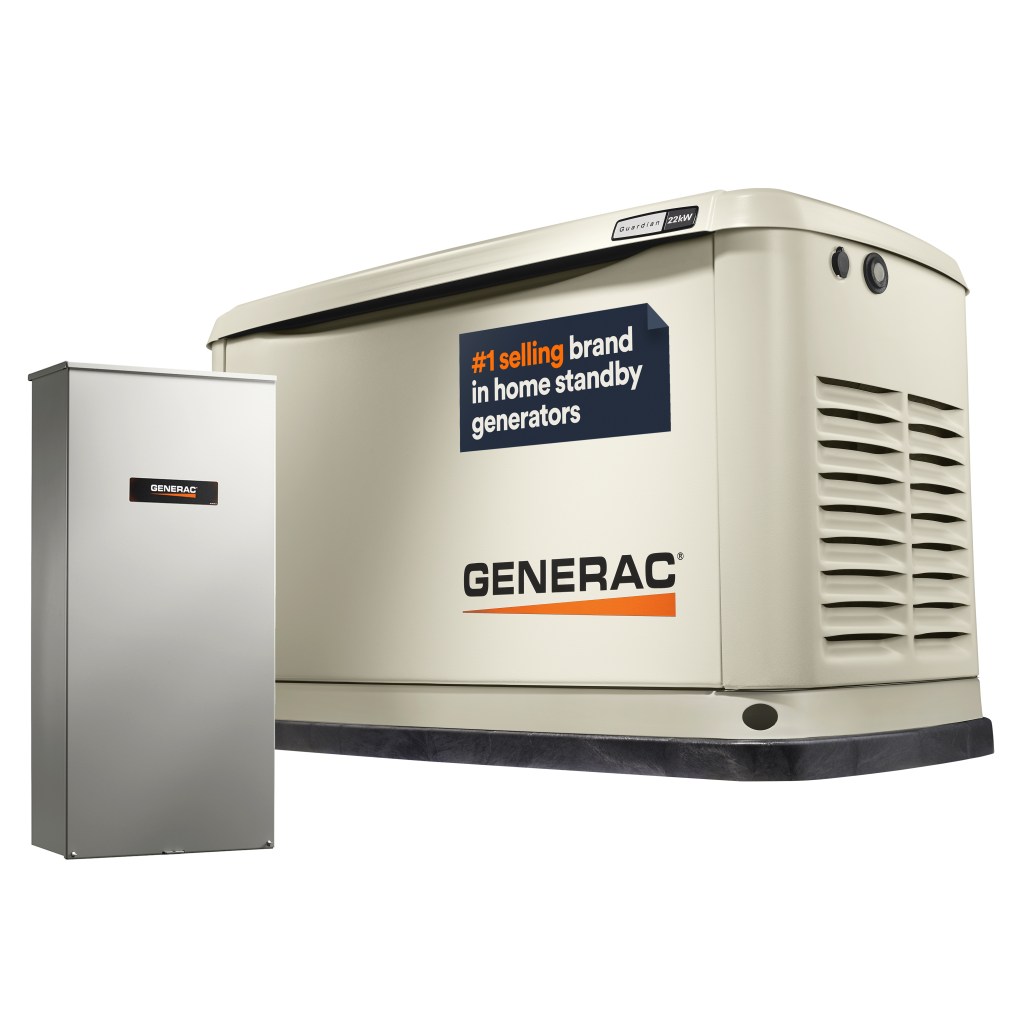
    Generac offers several models, the majority of which are designed solely for standby power in the event of a power outage. To use them with an off-grid system, a transfer switch is required to disconnect from grid power and shift to solar or generator-supplied power.

    These generators come pre-configured to run on natural gas, but during installation, they can also be re-configured to run on liquid propane. Units can be purchased on websites like Amazon and Generac.com, among others.

    Cost and practicality

    From my perspective, Generac generators are not particularly cost-effective. The generators themselves and the required transfer switches are quite expensive. Add to that the cost of fuel, and the over all expense quickly outweighs the value. Over time, they cost more to run than they are actually worth.

    There are other, far more cost-effective solutions available. Personally, I would rather spend $2,800 and run my home with no additional cost than spend upwards of $7,000 on a generator, plus the ongoing fuel and maintenance costs.

    Final thoughts

    I reached this conclusion based on information from from various sources, including google searches intended to help determine cost-effective solutions for off-grid living. Generac generators are not intended to serve as a primary power source, and running them full time can can become quite costly.

    In my opinion, Generac generators do not deliver meaningful savings over time. They offer no real long-term benefit and are best viewed as a convenience for those who can afford the added expense but if you still feel this is the best option for you click here to see available options.

    generac generator for home backup

    There’s more

    Looking for a smarter, more affordable energy solution?

    Follow my blog for practical reviews, energy saving tips, and alternatives to high-cost systems.

    Already using a generator? Share your experience in the comments below!

    this post contains affiliate links. If you buy through these links, I may make a small commission at no extra cost to you.